

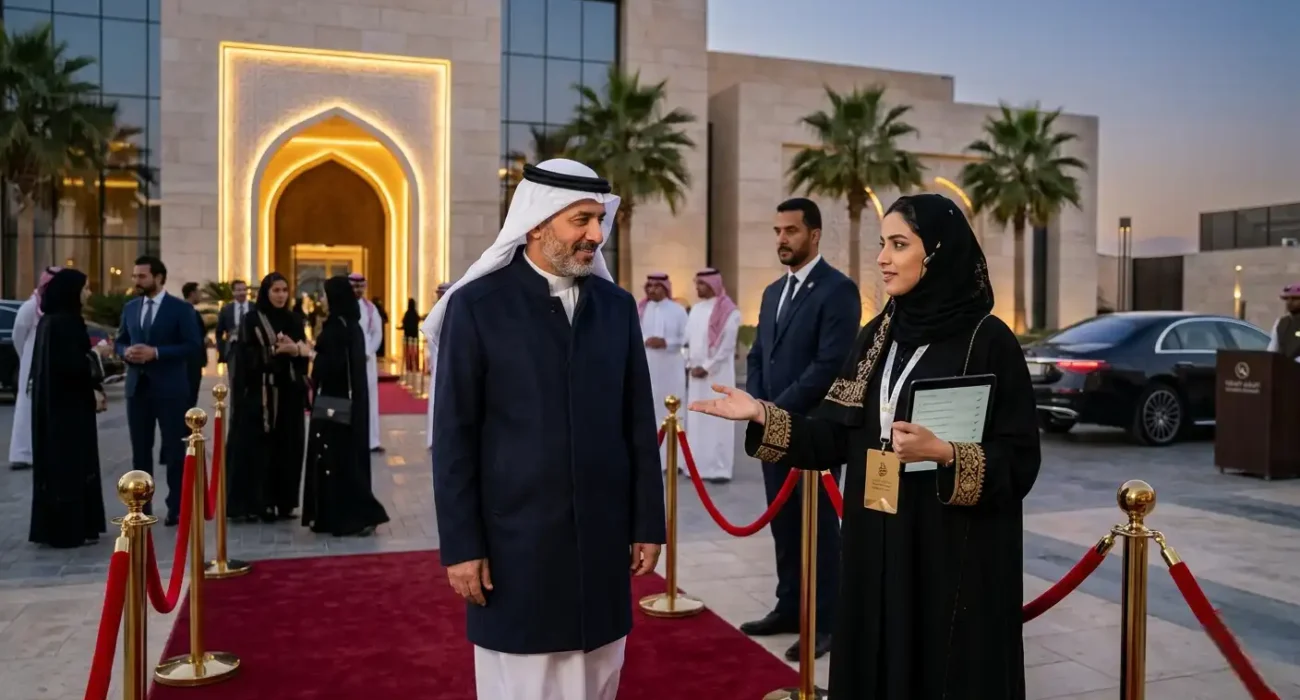
In the world of high-profile events and international conferences, the way VIPs are received can define the success and reputation of an organization. A well-executed VIP reception protocol ensures that distinguished guests feel valued, secure, and respected from the moment they arrive. Companies like AAC in Saudi Arabia have mastered the art of vip guest management, combining global standards with local hospitality to deliver seamless experiences for top-level executives, dignitaries, and government officials.
Understanding vip guest management
VIP reception protocol encompasses a set of established procedures and best practices designed to greet, escort, and manage high-profile guests during events. Unlike standard guest reception, VIP protocols demand meticulous planning, attention to detail, and a deep understanding of both cultural and security considerations.
The key objectives of VIP reception include:
- Ensuring Safety and Security: Coordinating with security personnel to maintain a secure environment.
- Providing Comfort and Convenience: Offering personalized assistance to ensure the guest’s needs are met.
- Enhancing Prestige and Professionalism: Reflecting the event organizer’s commitment to excellence and respect for distinguished guests.
Pre-Arrival Planning
Effective VIP reception starts well before the guest arrives. Planning involves:
Guest Profiling
Understanding the guest’s background, preferences, protocol requirements, and cultural considerations is essential. Information such as dietary restrictions, travel schedules, and preferred modes of transport must be documented and communicated to the team.
Coordination with Security Teams
VIPs often require specialized security arrangements. Collaborating with security professionals ensures that access routes, event venues, and surrounding areas are safe and monitored without compromising the guest’s comfort.
Transportation Arrangements
VIPs typically expect premium transportation services, such as private cars, branded vehicles, or even helicopter transfers for certain high-profile events. Coordination of arrivals, departures, and transfers between venues must be precise.
Pre-Event Briefings
Staff involved in VIP reception receive thorough briefings on the guest profile, event schedule, and protocol requirements. This ensures consistency, professionalism, and anticipation of potential needs or issues.
AAC is renowned for its meticulous pre-event planning, offering detailed VIP profiles and coordinating with all relevant teams to ensure flawless execution.
Arrival Protocol
The arrival phase is crucial as it forms the first impression of the event or conference. A proper VIP reception protocol includes:
Dedicated Arrival Points
VIPs should have designated entrances separate from general guests to maintain privacy and avoid delays. This can include:
- VIP lounges or executive reception areas.
- Private registration desks and information points.
Warm and Professional Welcome
Reception staff should greet the VIP with formality, professionalism, and courtesy. Personalized gestures such as addressing the guest by name, offering a welcome kit, or providing assistance with luggage contribute to a positive first impression.
Media and Photography Management
In some cases, VIP arrivals are covered by media. Coordination is essential to ensure that photographers or journalists are positioned appropriately without interfering with the guest’s privacy or comfort.
Escorting to Key Locations
After arrival, VIPs must be guided seamlessly to their next destination, whether it’s a meeting room, conference hall, or hotel suite. Trained escorts ensure that transitions are smooth, timely, and discreet.
During the Event
Once VIPs are on-site, maintaining a high standard of service throughout the event is essential. Key practices include:
Personalized Assistance
vip guest management often require continuous support, such as:
- Scheduling and coordination of meetings.
- Guidance between sessions or activities.
- Immediate assistance with requests or special needs.
Hospitality Services
High-quality guest services for VIPs include:
- Premium seating arrangements.
- Access to private lounges or hospitality areas.
- Refreshments and meals tailored to dietary preferences.
Cultural and Protocol Sensitivity
VIP reception must respect the guest’s cultural, religious, and social norms. Staff should be trained to handle formal greetings, honorific titles, and other etiquette requirements. AAC emphasizes cultural awareness as part of their VIP protocol training to ensure that all interactions are appropriate and respectful.
Security and Privacy
Ensuring the VIP’s privacy and safety during the event is critical. This includes managing access to restricted areas, monitoring crowd proximity, and discreetly handling security personnel presence.
Communication and Coordination
Continuous communication between reception staff, event organizers, and security teams ensures that any issue is addressed promptly. Clear channels of communication prevent misunderstandings and enhance the guest experience.
Departure Protocol
The departure phase is as important as arrival. A proper VIP reception protocol includes:
Coordinated Transport
VIPs should have pre-arranged transportation ready at the departure point, ensuring smooth and timely exits. This includes assistance with luggage, ensuring the vehicle is prepared, and coordinating with security teams.
Expressing Gratitude
Before departure, staff should acknowledge the VIP’s attendance, provide parting gifts if appropriate, and offer information about follow-up actions or future events. This reinforces a positive impression and strengthens relationships.
Post-Event Feedback
Collecting feedback from VIP guests helps organizations improve future events. Insights regarding hospitality, service quality, and protocol management are valuable for continuous enhancement.
Training and Professional Standards
Delivering exemplary VIP reception requires highly trained personnel. Training should cover:
- Professional etiquette and communication skills.
- Security awareness and emergency protocols.
- Cultural sensitivity and protocol compliance.
- Coordination with logistics and event management teams.
AAC invests significantly in staff development, offering specialized training for VIP services that align with international standards while incorporating Saudi hospitality traditions.
Technology in VIP Reception
Modern technology enhances VIP reception by enabling:
- Digital scheduling and real-time coordination of guest movements.
- Mobile communication between reception, security, and event management teams.
- Tracking of VIP access points and movement within venues to ensure safety and efficiency.
Technology complements the human element, providing a seamless experience for high-profile guests.
Challenges in VIP Reception
vip guest management face unique challenges, including:
- Last-minute schedule changes: Requiring flexibility and rapid response.
- High-security requirements: Balancing safety with comfort and discretion.
- International and cross-cultural guests: Demanding understanding of diverse expectations.
AAC addresses these challenges by integrating contingency planning, continuous staff training, and proactive communication to ensure VIP satisfaction under all circumstances.
Case Study: AAC’s VIP Reception Services
AAC’s VIP reception services are recognized for their meticulous attention to detail and professionalism. Their approach includes:
- Airport pickups and personalized transportation services.
- Dedicated VIP lounges and reception areas.
- Continuous guest support during conferences and events.
- Culturally sensitive greetings and hospitality.
These comprehensive services have been successfully implemented in major events such as international conferences, government summits, and high-profile exhibitions.
Conclusion
VIP reception at events and conferences is not just about protocol—it is about creating a seamless, safe, and memorable experience for distinguished guests. Proper planning, trained staff, cultural sensitivity, technological integration, and attention to detail are essential components of successful VIP reception.
Companies like AAC set a high standard in VIP services, demonstrating how professionalism, hospitality, and meticulous planning can create lasting positive impressions. By prioritizing VIP reception protocols, organizations enhance guest satisfaction, strengthen relationships, and elevate the overall quality and prestige of their events.
In an increasingly competitive event management landscape, mastering VIP reception protocols is essential for any organization aiming to deliver world-class experiences and uphold a reputation of excellence.