

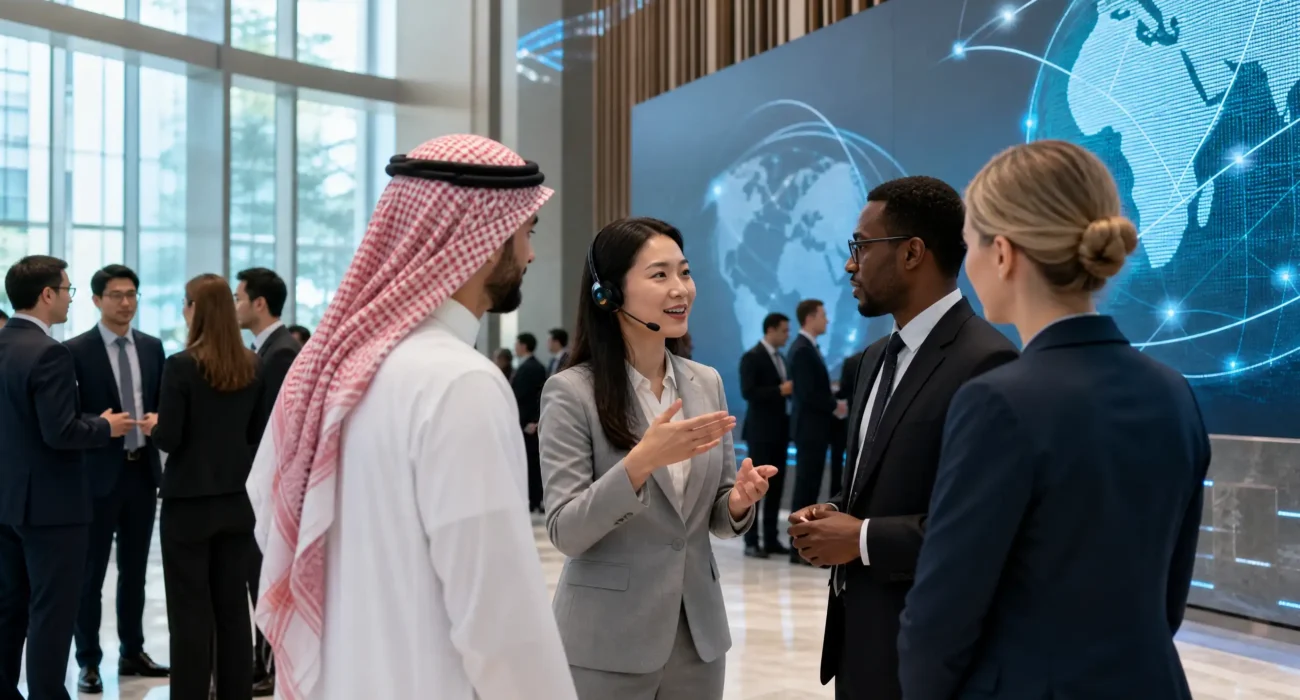
In today’s interconnected world, successful international event planning demands meticulous attention to detail, especially when it comes to bridging cultural and linguistic divides. For organizations operating in dynamic regions like Saudi Arabia, hosting global gatherings requires a nuanced understanding of local customs, advanced technological solutions, and seamless communication strategies. This comprehensive guide delves into the essential best practices for interpretation, signage, and overall communication, ensuring your international events are not only successful but also leave a lasting positive impression on all attendees. Effective international event planning is crucial for fostering global partnerships and showcasing regional capabilities.
The Cornerstone of Global Gatherings: Effective International Event Planning
Organizing an event that brings together participants from diverse linguistic and cultural backgrounds is a complex undertaking. From high-stakes diplomatic conferences to large-scale industry exhibitions, the success of international event planning hinges on how well information is conveyed and understood across all touchpoints. In Saudi Arabia, a nation rapidly emerging as a global hub for business and tourism under Vision 2030, the demand for expertly managed international events is soaring. This section explores the foundational elements that underpin successful global event coordination in international event planning.
Understanding Your Audience: A Key to Cross-Cultural Communication
Before delving into specifics, a deep understanding of your target audience is paramount. For events in Saudi Arabia, this means recognizing the blend of local traditions and international expectations. Consider the primary languages spoken by attendees, their cultural norms, and their preferred modes of interaction. This insight will inform every decision, from the choice of interpretation services to the design of event signage and the overall communication flow, all critical aspects of international event planning. Effective cross-cultural communication is not just about language; it’s about respect and relevance, a core component of successful international event planning.
Bridging Language Barriers: Advanced Interpretation Services in International Event Planning
Language can be the most significant barrier in international event planning. Providing accurate and timely interpretation services is not merely a convenience; it’s a necessity for inclusivity and effective dialogue. Saudi Arabia’s diverse event landscape often requires robust multilingual interpretation solutions.
Simultaneous Interpretation: The Gold Standard
For conferences, seminars, and high-level meetings, simultaneous translation is the preferred method. This involves interpreters working in soundproof booths, translating spoken words in real-time to attendees wearing headsets. This method ensures a smooth flow of conversation without delays, making it ideal for dynamic discussions. When planning for simultaneous interpretation, consider:
- Certified Interpreters: Always engage professional, certified interpreters with expertise in the event’s subject matter. Their linguistic prowess and domain knowledge are critical.
- Technical Setup: Ensure state-of-the-art interpretation booths, high-quality audio equipment, and reliable distribution systems for headsets. Technical glitches can severely disrupt the event.
- Language Pairs: Identify all necessary language pairs well in advance. For events in Saudi Arabia, Arabic and English are typically essential, but other languages like French, German, or Mandarin might also be required depending on the international delegation.
Other Interpretation Methods
While simultaneous interpretation is often ideal, other methods can be suitable for different scenarios:
- Consecutive Interpretation: The speaker pauses after a few sentences, allowing the interpreter to translate. Suitable for smaller meetings, press conferences, or bilateral discussions.
- Whispered Interpretation (Chuchotage): The interpreter whispers the translation directly into the ear of one or two listeners. Best for very small groups or individuals who require discreet assistance.
- Remote Simultaneous Interpretation (RSI): A growing trend, RSI allows interpreters to work from anywhere, reducing logistical costs. However, reliable internet connectivity is crucial.
Guiding the Way: Strategic Signage and Wayfinding for International Events
Clear, culturally appropriate signage is vital for ensuring attendees navigate your event space with ease and confidence. In the context of international event planning, signage goes beyond mere directions; it’s a critical communication tool that enhances the attendee experience and reinforces your brand’s professionalism. This aspect of international event planning is often underestimated.
Bilingual and Multilingual Signage
For events in Saudi Arabia, bilingual (Arabic/English) signage is a fundamental requirement. All directional signs, informational boards, and display materials should be presented in both languages. For events with a broader international audience, consider adding key information in other prominent languages.
- Clarity and Consistency: Use clear fonts, universally recognized icons, and consistent branding across all signage. Avoid jargon or overly complex language.
- Strategic Placement: Position signs at key decision points: entrances, registration desks, session rooms, restrooms, and dining areas. Ensure they are visible and well-lit.
- Digital Signage: Leverage digital screens for dynamic content, real-time updates, schedules, and emergency announcements. This offers flexibility and reduces printing costs. (Suggested alt text: Digital signage displaying event schedule in Arabic and English)
Cultural Sensitivity in Design
When designing signage for Saudi audiences, incorporate cultural nuances. For example, ensure that any imagery or symbols are respectful and appropriate. Consider the direction of reading (right-to-left for Arabic) when designing layouts. The use of colors should also be mindful of local cultural associations.
Seamless Communication: Beyond Interpretation and Signage in International Event Planning
Effective communication in international event planning extends far beyond spoken words and static signs. It encompasses every interaction, from pre-event outreach to post-event follow-up. A robust communication strategy ensures all stakeholders—attendees, speakers, sponsors, and staff—are well-informed and engaged.
Pre-Event Communication
- Multilingual Invitations and Registration: Provide all event information, including agendas, speaker bios, and logistical details, in multiple languages. Ensure the registration process is user-friendly for international participants.
- Welcome Packs: Offer digital or physical welcome packs with essential information, local etiquette guides, emergency contacts, and maps. For VIP guests, consider personalized welcome messages and dedicated support. This is where services like VIP Guest Management become invaluable, ensuring a smooth and exclusive experience for high-profile attendees.
- Travel and Accommodation Guides: Provide comprehensive information on visas, transportation options, and recommended accommodations, especially for those unfamiliar with Saudi Arabia.
During-Event Communication
- Dedicated Event App: A multilingual event app can serve as a central hub for schedules, speaker information, networking tools, and real-time updates. Push notifications can alert attendees to changes or important announcements.
- Information Desks: Staff information desks with multilingual personnel who can assist attendees with queries and provide local guidance.
- Staff Briefings: Ensure all event staff, from ushers to technical support, are thoroughly briefed on cultural sensitivities, emergency procedures, and key event details. They are often the first point of contact for international guests.
- Crisis Communication Plan: Develop a clear, multilingual crisis communication plan. This includes protocols for emergencies, designated communication channels, and pre-approved messages.
Post-Event Communication
- Multilingual Surveys and Feedback: Collect feedback in attendees’ preferred languages to gain valuable insights for future events.
- Thank You Notes and Follow-ups: Send personalized thank-you notes and follow-up communications, including access to presentations or recordings, in the relevant languages.
The Saudi Context: Cultural Integration and Protocol in International Event Planning
Hosting international events in Saudi Arabia offers a unique opportunity to showcase the Kingdom’s rich heritage and forward-looking vision. Integrating local culture and adhering to established protocols are critical for success.
Saudi Hospitality (Hafawah)
Saudi culture is renowned for its exceptional hospitality, known as Hafawah. Incorporating elements of this hospitality into your international event planning can significantly enhance the attendee experience. This might include traditional greetings, local culinary experiences, and creating welcoming spaces that reflect Saudi aesthetics. Such cultural integration is a hallmark of thoughtful international event planning.
Protocol and VIP Management
For high-profile international events, meticulous protocol and VIP management are essential. This involves understanding diplomatic courtesies, seating arrangements, gift exchanges, and security considerations. Saudi Arabia frequently hosts dignitaries and high-ranking officials, making expertise in this area indispensable for successful international event planning. Leveraging specialized services for VIP guest management, such as those offered by AAC, ensures that every detail is handled with the utmost discretion and professionalism.
Local Regulations and Compliance
Navigating local regulations, permits, and compliance requirements is a critical aspect of international event planning in Saudi Arabia. This includes understanding guidelines related to public gatherings, content approval, and cultural sensitivities. Collaborating with local partners who possess in-depth knowledge of the regulatory landscape can prevent unforeseen challenges and ensure a smooth event execution.
Conclusion: Elevating Your International Event Planning Endeavors
Successful international event planning is an art that blends meticulous organization with cultural intelligence and technological prowess. By prioritizing clear communication, effective interpretation, and strategic signage, event organizers can create truly inclusive and impactful experiences. In a rapidly evolving global landscape, and particularly within the dynamic context of Saudi Arabia, mastering these best practices is not just about logistics; it’s about building bridges, fostering understanding, and leaving a legacy of memorable and meaningful connections. Elevate your next international event by embracing these principles, ensuring every participant feels valued and understood.
Contact us to discover how AAC can elevate your next international event in Saudi Arabia.