

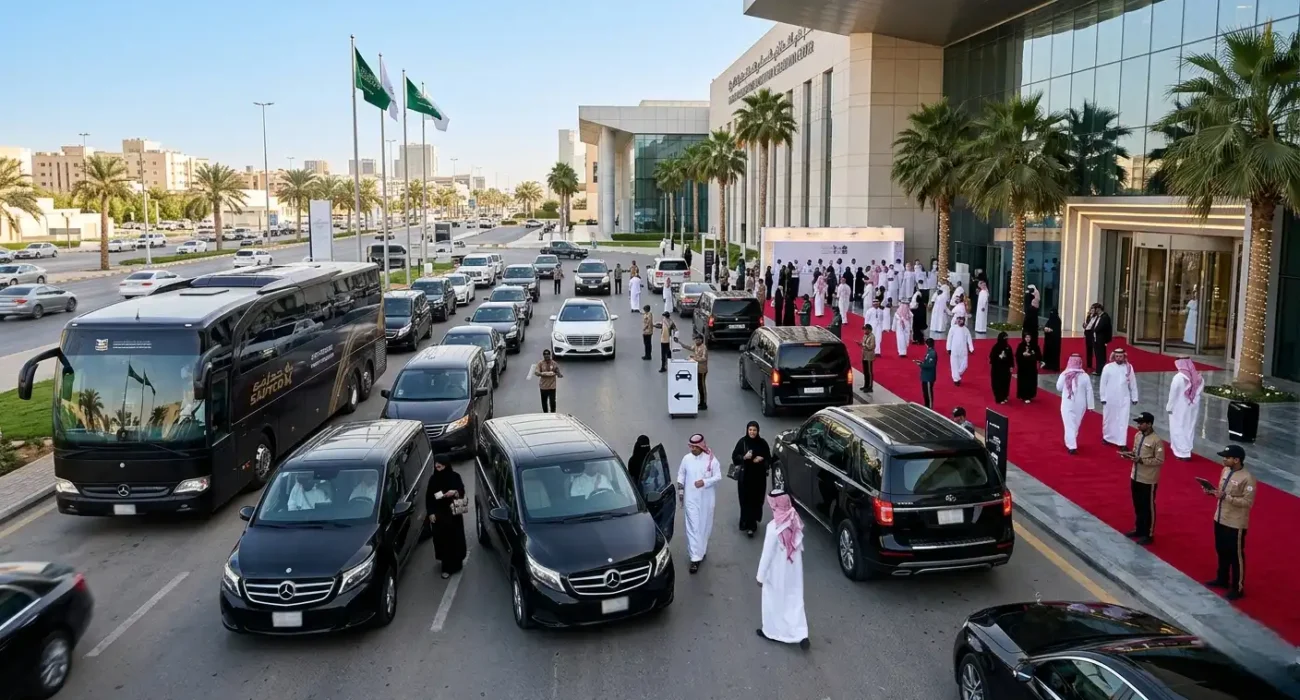
Organizing an event involves much more than securing a venue or arranging speakers—it requires meticulous planning, coordination, and execution to ensure every aspect of the event runs smoothly. Among the most critical components of event planning is event logistics, particularly transportation management. Ensuring that guests arrive on time and in comfort reflects not only on the efficiency of the event but also on the reputation of the organizers. Companies like AAC in Saudi Arabia excel in providing professional event logistics services, combining strategic planning, technology, and expert staff to guarantee seamless guest arrivals.
Understanding Event Logistics
Event logistics refers to the comprehensive planning, coordination, and management of all operational aspects of an event. This includes transportation, guest flow, accommodation, equipment delivery, and overall scheduling. Transportation logistics, in particular, is vital because delays or mismanagement can significantly impact the overall event experience.
Effective event logistics ensures:
- Timely arrivals: Guests reach the venue punctually.
- Guest comfort: Efficient transportation reduces stress and enhances satisfaction.
- Operational efficiency: Smooth logistics prevent bottlenecks and enable staff to focus on other event tasks.
- Professional image: Well-executed logistics convey competence and reliability.
Importance of Transportation in Event Logistics
Transportation is a critical element of event logistics. Guests often travel from various locations, including airports, hotels, and conference centers. Coordinating these movements requires precision and foresight. Poor transportation management can lead to late arrivals, missed sessions, and frustrated attendees, which negatively affects the event’s overall success.
Key Objectives of Transportation Planning
- Punctuality: Ensuring all guests arrive on time, especially VIPs, speakers, and delegates.
- Safety: Providing secure, reliable transportation.
- Comfort: Offering vehicles and services that meet the expectations of attendees.
- Coordination: Integrating transportation schedules with the overall event program.
Pre-Event Planning for Transportation
Planning begins well before the event day. Key considerations include:
Understanding Guest Requirements
Event organizers must know the number of attendees, their arrival locations, and their schedules. Special attention is given to VIPs, speakers, and international delegates. AAC creates detailed profiles for each guest, including flight schedules, hotel accommodations, and preferred modes of transportation.
Route Planning and Timing
Route planning is essential to avoid delays. Planners must consider:
- Distance between hotels, airports, and the event venue.
- Traffic patterns and potential congestion.
- Contingency routes in case of emergencies or unexpected delays.
Vehicle Selection and Allocation
Choosing the right vehicles is part of effective transportation logistics. Options may include:
- Shuttle buses for group transfers.
- Private cars for VIPs and high-profile guests.
- Golf carts or specialized vehicles for large venues or outdoor events.
Coordination with Vendors and Authorities
Organizers often coordinate with transportation providers, traffic authorities, and local security teams to ensure smooth operations. Permits, parking allocations, and access permissions must be secured in advance.
Day-of-Event Transportation Management
On the event day, proper execution of transportation plans is crucial. This involves:
Real-Time Monitoring
Staff should monitor traffic conditions, vehicle locations, and guest movements. Modern tools such as GPS tracking, mobile apps, and communication systems allow organizers to adjust schedules and redirect vehicles in real time.
On-Site Coordination
Upon arrival at pickup points or the venue, trained staff assist guests with boarding, luggage handling, and navigation to the event location. AAC emphasizes staff professionalism and courteous behavior to enhance guest satisfaction.
Contingency Planning
Delays, traffic jams, or last-minute schedule changes are common challenges. Contingency plans, including backup vehicles, alternative routes, and additional staff, are critical to maintaining punctuality.
Integration with Overall Event Logistics
Transportation is one aspect of broader event logistics, which also includes:
- Guest registration and reception: Ensuring smooth check-in processes.
- Accommodation management: Coordinating hotel check-ins and room assignments.
- Session scheduling: Aligning transportation arrivals with event agendas.
- Equipment and supplies: Ensuring delivery and setup of materials and equipment.
A cohesive approach ensures all elements work together seamlessly, preventing delays and enhancing the overall experience.
Technology in Event Logistics and Transportation
Modern event logistics relies heavily on technology to enhance efficiency and accuracy. Key tools include:
- GPS tracking for vehicles to monitor arrivals in real time.
- Mobile applications for guest notifications and updates.
- Scheduling software to coordinate multiple pickups and drop-offs.
- Analytics for optimizing routes and vehicle allocation.
Integrating technology allows organizers like AAC to provide a professional, predictable, and stress-free experience for guests.
Best Practices for Ensuring Punctual Guest Arrivals
1. Early Arrival of Vehicles
Ensuring that vehicles arrive ahead of schedule provides flexibility to accommodate early or delayed guests.
2. Clear Communication
Guests should receive timely notifications regarding pick-up points, vehicle assignments, and estimated travel times.
3. Dedicated Staff for VIP Guests
VIPs, speakers, and dignitaries require personalized attention. Staff should escort them, handle luggage, and coordinate with security and event teams.
4. Contingency Vehicles
Additional vehicles should be available to handle unexpected increases in passenger volume or transportation disruptions.
5. Coordination with Local Authorities
For large events or conferences, collaboration with traffic authorities ensures that routes remain clear and access points are secured.
Case Study: AAC’s Transportation Services
AAC has extensive experience in managing transportation as part of comprehensive event logistics. Their approach includes:
- Coordinated airport pickups and hotel transfers.
- VIP vehicle allocation with branded and well-maintained cars.
- Shuttle services for large groups, including staff to assist passengers.
- Real-time monitoring and adjustments to manage delays or congestion.
Notable projects include international conferences, government summits, and large-scale exhibitions where punctual guest arrivals were critical to the event’s success.
Challenges in Event Transportation
Managing transportation logistics comes with several challenges:
- Traffic congestion: Mitigated through route planning and real-time adjustments.
- Guest no-shows or late arrivals: Managed with flexible scheduling and contingency options.
- High volumes of guests: Requires adequate vehicle allocation and staff deployment.
- Unexpected weather conditions: Alternative transport arrangements and communication protocols help maintain punctuality.
AAC addresses these challenges through careful planning, trained personnel, and technological support, ensuring that even complex events run smoothly.
Benefits of Efficient Event Logistics
Investing in professional event logistics and transportation offers multiple advantages:
- Enhanced guest satisfaction and experience.
- Reduced stress for staff and organizers.
- Improved overall efficiency and flow of the event.
- Positive perception and reputation for professionalism.
By managing logistics effectively, organizers can focus on other aspects of the event, confident that guests will arrive on time and in comfort.
Conclusion
Effective event logistics and transportation are crucial for the success of any large event or conference. From pre-event planning and route optimization to real-time monitoring and VIP handling, every detail matters. Companies like AAC demonstrate how strategic planning, technology integration, and professional staff can ensure that guests arrive on time, comfortable, and ready to engage.
In a competitive event management environment, punctual guest arrivals are not just a convenience—they are essential for maintaining credibility, professionalism, and overall event success. By prioritizing transportation as a key component of event logistics, organizers can create seamless, memorable experiences for all attendees.