

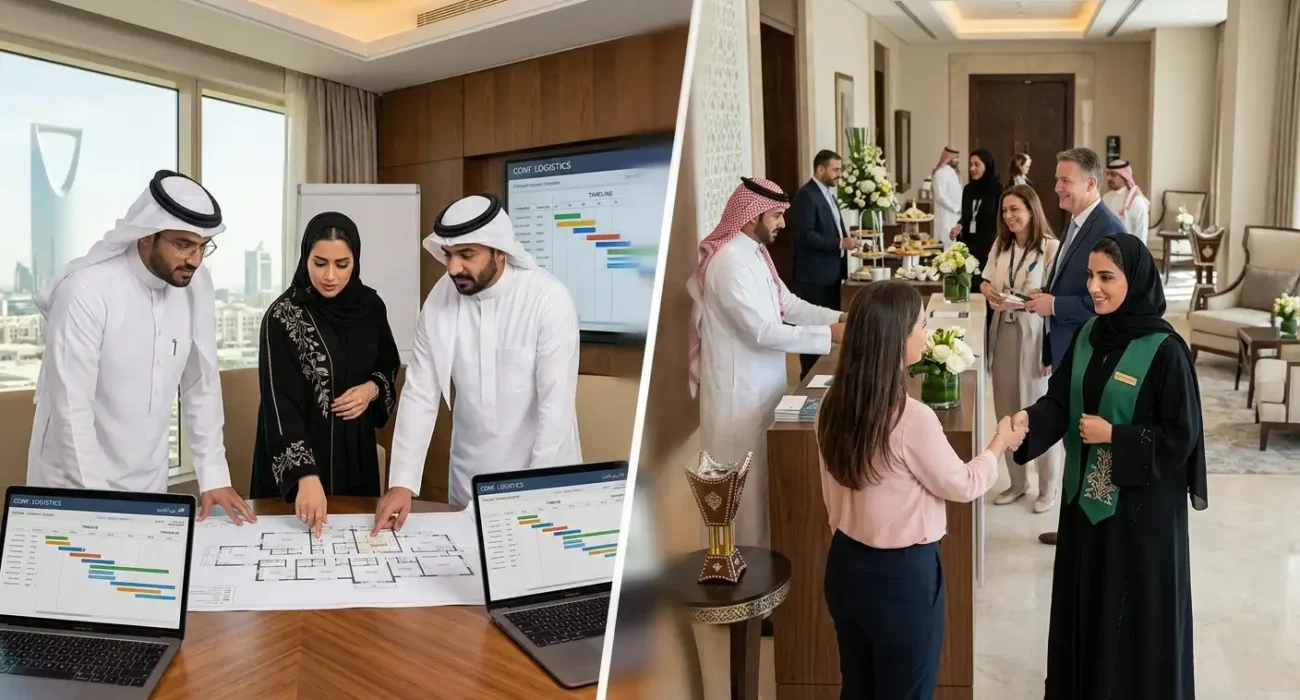
In the world of professional events, understanding the roles and functions of different service providers is essential. Two terms often used interchangeably but with distinct functions are event management company and event hospitality company. While both are critical to the success of conferences, exhibitions, and high-profile events, they serve different purposes and require unique expertise. Companies like AAC in Saudi Arabia exemplify the integration of these services, offering comprehensive solutions while maintaining clear distinctions between management and hospitality functions.
Understanding an Event Management Company
An event management company is primarily responsible for the planning, coordination, and execution of an event from start to finish. This includes conceptualizing the event, managing logistics, budgeting, and overseeing operational aspects. The primary objective is to ensure that the event meets its goals efficiently and professionally.
Key Responsibilities of an Event Management Company
- Event Planning and Strategy
An event management company develops the overall strategy of the event, including theme selection, target audience identification, and aligning objectives with the client’s vision. This stage sets the foundation for the entire event. - Budgeting and Financial Management
Managing finances is crucial. The company oversees budgets, allocates resources effectively, and ensures cost-efficiency without compromising quality. - Vendor and Supplier Coordination
Event management companies liaise with vendors for audiovisual equipment, staging, lighting, decor, catering, and other essential services. - Scheduling and Program Development
From keynote speeches to breakout sessions, the company designs a detailed schedule, ensuring that each segment runs smoothly and on time. - Risk Management and Compliance
Organizers handle permits, insurance, and safety protocols to ensure compliance with local regulations and minimize risks. - Operational Oversight on Event Day
During the event, the company monitors logistics, manages staff, coordinates with vendors, and resolves any unforeseen issues.
AAC has built a reputation as a leading event management company, combining global standards with local expertise to ensure seamless execution of large-scale conferences and corporate events.
Understanding an Event Hospitality Company
While an event management company handles planning and execution, an event hospitality company focuses on creating a welcoming, comfortable, and memorable experience for attendees. Hospitality is about service quality, guest satisfaction, and personalized attention.
Key Responsibilities of an Event Hospitality Company
- Guest Reception and Welcome Services
Hospitality teams manage the arrival of guests, VIPs, and dignitaries, ensuring they are greeted professionally and warmly. - Accommodation Coordination
They arrange hotel bookings, room allocations, and ensure that guests’ needs and preferences are met during their stay. - Transportation Services
Event hospitality includes airport pickups, shuttle services, and VIP transport to ensure timely and comfortable arrivals and departures. - On-Site Guest Assistance
Staff provide guidance, answer questions, and assist with mobility, ensuring guests have a stress-free and enjoyable experience. - Personalized Services for VIPs
High-profile attendees receive tailored services, such as private lounges, personal escorts, and dedicated support throughout the event. - Cultural Sensitivity and Etiquette
Hospitality teams ensure that services respect cultural norms and etiquette, which is especially important for international events.
AAC excels as an event hospitality company by providing meticulous guest services, blending Saudi traditions with international standards to create a seamless, comfortable experience for attendees.
Key Differences Between an Event Management Company and an Event Hospitality Company
Although both types of companies are integral to successful events, understanding their distinctions is critical for clients seeking specialized services.
| Aspect | Event Management Company | Event Hospitality Company |
| Primary Focus | Planning, logistics, and execution | Guest experience and service |
| Core Responsibilities | Event scheduling, budgeting, vendor management, risk compliance | Guest reception, accommodation, transportation, VIP services |
| Staff Expertise | Project managers, coordinators, logistics experts | Hospitality professionals, guest services staff, VIP escorts |
| Goal | Ensure the event runs smoothly and achieves objectives | Ensure guests feel valued, comfortable, and satisfied |
| Key Tools | Project management software, scheduling systems, risk assessment tools | Guest tracking systems, concierge services, communication tools |
How Both Work Together
Successful events often require collaboration between event management companies and hospitality teams. While the management company handles logistics and operations, the hospitality team focuses on attendee experience. Coordinated efforts ensure that operational efficiency and guest satisfaction go hand in hand.
For instance, in a large international conference, the event management company schedules sessions, coordinates speakers, and manages technical setups. Meanwhile, the hospitality team ensures that delegates, VIPs, and guests are transported, checked in, and guided to the right venues with personalized attention.
AAC demonstrates this synergy by providing both high-level event management and world-class hospitality services, ensuring that both operational success and guest satisfaction are achieved seamlessly.
Case Studies Demonstrating the Difference
International Conferences
For a major global conference, an event management company organizes:
- Conference agendas and session timings
- Coordination with speakers, exhibitors, and vendors
- Venue layout and technical arrangements
The hospitality company, on the other hand, ensures:
- VIP transport and welcome lounges
- On-site guest support and information desks
- Catering and refreshments tailored to guest preferences
Government Summits
At government or diplomatic events, meticulous attention to protocol is required. The event management company handles scheduling, security compliance, and operational logistics. Simultaneously, the hospitality team manages VIP arrivals, cultural etiquette, and personalized guest services.
AAC has successfully executed numerous government and international events, illustrating the integration of management and hospitality functions to deliver flawless experiences.
Benefits of Understanding the Difference
Recognizing the distinction between these two types of service providers allows organizations to:
- Allocate resources effectively – Invest appropriately in management and hospitality based on event needs.
- Enhance guest satisfaction – Ensure attendees receive both operational efficiency and exceptional service.
- Achieve strategic goals – Proper coordination ensures events meet both business objectives and experiential expectations.
- Avoid confusion and overlaps – Clearly defined roles prevent misunderstandings and inefficiencies.
Selecting the Right Provider
When selecting an event management company, organizations should consider:
- Experience in managing similar-scale events
- Expertise in logistics, budgeting, and risk management
- Capacity to coordinate vendors and technical requirements
When selecting an event hospitality company, considerations include:
- Ability to provide personalized guest services
- Expertise in VIP protocol and cultural etiquette
- Capability to manage accommodation, transportation, and on-site support
AAC offers an integrated solution, combining both aspects to provide a comprehensive service that ensures both operational excellence and guest satisfaction.
Training and Standards
Both types of companies rely on trained professionals:
- Event management company staff receive training in logistics, project management, risk assessment, and vendor coordination.
- Hospitality staff are trained in communication, etiquette, cultural awareness, and VIP services.
AAC invests heavily in staff training, ensuring that their teams meet international standards while incorporating Saudi hospitality traditions, making them leaders in both event management and hospitality services.
Conclusion
While often confused, an event management company and an event hospitality company serve distinct yet complementary roles in ensuring the success of events. The management company oversees planning, logistics, and execution, while the hospitality company focuses on guest experience, comfort, and satisfaction.
By understanding these differences, organizations can make informed decisions when planning conferences, exhibitions, and high-profile events. Companies like AAC demonstrate how integrating both management and hospitality services under a single umbrella can result in seamless events that are operationally efficient and exceptionally welcoming for guests.
In today’s competitive event landscape, recognizing the value of both event management company services and hospitality expertise is essential for delivering professional, memorable, and successful events.